Hospiten stresses that deep sleep can be a key factor in slowing down neurological diseases. On the occasion of World Sleep Day, which is commemorated on March 13, the Clinical Neurophysiology Service confirms that this process works as a real neuroprotector and not just a passive process of rest.
Scientific evidence has shown that it is an active regenerative and reparative process, which makes our brain capable of accelerating or slowing down the onset of degenerative diseases, such as dementia.
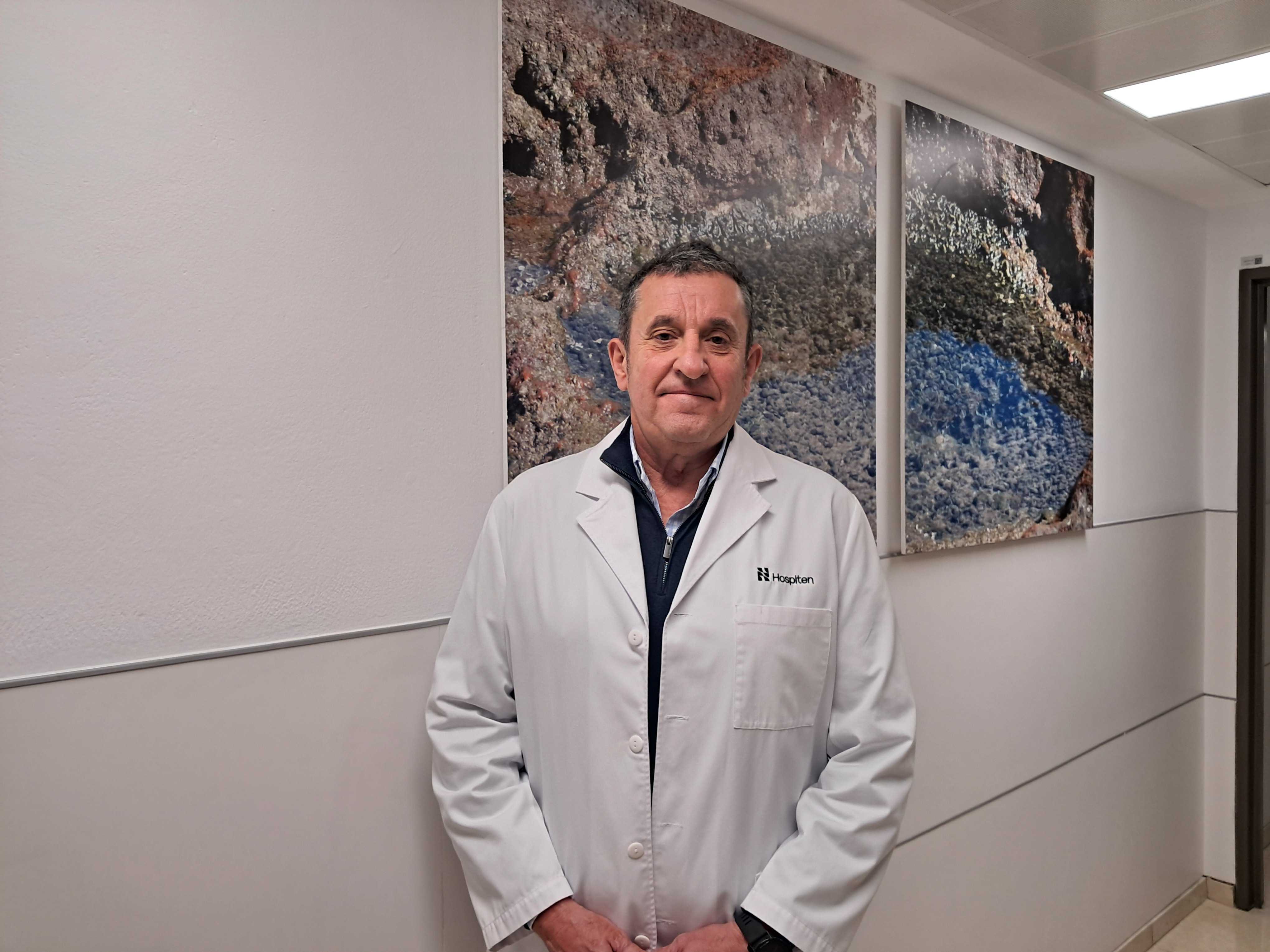
Dr. Txomin Navajas Carasa, head of the Clinical Neurophysiology Service at Hospiten Rambla, Hospiten Bellevue and Hospiten Sur University Hospitals and Hospiten Lanzarote, states that "it is true that sleep changes over the years: deep sleep decreases, awakenings increase and the biological clock tends to advance, causing what is known as early awakening. If a solution is not found to this deterioration, all this can lead to poorer memory, attention deficit and a greater likelihood of dementia".
Sleep is a real neuroprotection, not just a passive process.
"Slow-wave sleep is the main protagonist in the biological cleaning of protein residues generated during the day, by means of a cerebral lymphatic network that eliminates residues such as beta amyloid and tau proteins, implicated in Alzheimer's disease," explains the specialist.
Likewise, "studies using Magnetic Resonance Imaging have shown that poor sleep quality is associated with a biologically older brain, and that the progressive loss of deep sleep is associated with a greater probability of developing dementia years later".
"Taking care of sleep is taking care of memory, as it is a real neuroprotection, not just a passive process. Treating insomnia, regulating schedules, exposing oneself to sunlight and maintaining regular physical activity improve the architecture of sleep, favor the recovery of nocturnal rest and, thus, protect the brain," Dr. Navajas points out.
Similarly, it should be borne in mind that sleep problems can be the first sign and warning sign of diseases such as Alzheimer's or Parkinson's disease.
Dr. Txomin Navajas warns on World Sleep Day that a good night's rest acts as a "cleansing" system for neuronal toxins that is essential to prevent cognitive deterioration.
Hospiten reminds us that treating sleep problems is a way of preventing neurological diseases and should form part of an important target in the strategy for healthy aging.
This article is an English translation generated with AI from the original Spanish content. While we review content for clarity, the information is provided for general informational purposes only and should not be considered medical advice. Always consult a qualified healthcare professional for diagnosis or treatment.