Hospiten has carried out the first observational and prospective study on eating habits among its staff, with the aim of finding out the eating patterns of its team and thus be able to evaluate the nutritional status of a representative sample of its staff.
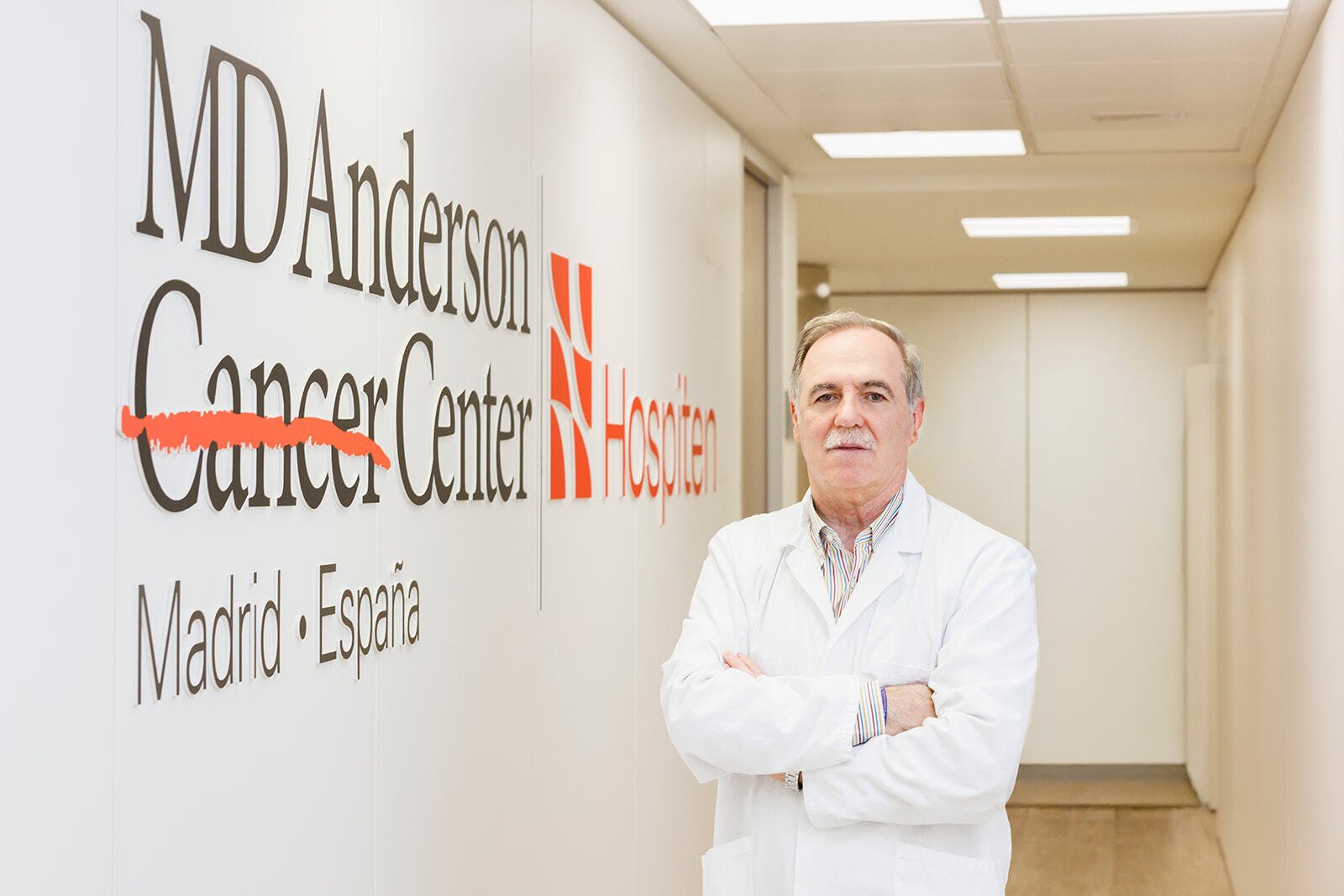
The initiative, coordinated by the Clinical Nutrition and Dietetics Unit at MD Anderson Cancer Center Madrid-Hospiten and led by its head, Dr. Pedro Robledo, aims to promote work environments that encourage the adoption of healthy habits, as well as identifying possible areas for improvement within the company.
The study gathers information on the frequency of food consumption among employees in the different geographical areas of America (Dominican Republic, Mexico, Jamaica, Panama) and Spain (Madrid, Andalusia, Canary Islands) where the hospital group is located and, on the other hand, analyzes the culinary techniques used to prepare their food. For this purpose, adherence to the Mediterranean diet has been evaluated using the MEDAS-14 Scale, a validated and recognized tool for this type of diet, since it is considered one of the healthiest eating patterns due to its variety and suitability. Thanks to it, it has been possible to know the impact it can have on health. With this study we also know the measure of energy consumption of the population studied and the preferential pattern of food consumption.
Analysis of the results of the study
The project, called 'Study on Eating Habits and their repercussion on Health in the Working Staff of Hospiten Hospitals', focuses on the collection of data on food consumption in each center. To this end, it contemplates the participation of professionals from different areas, from healthcare personnel (including doctors, nurses, technical personnel in auxiliary care, etc.) to administrative personnel and the rest of the teams that make up the non-health care areas of the hospitals. This structure makes it possible to obtain a diverse, representative and heterogeneous X-ray of eating habits throughout the organization.
In total, 212 records were made, with an average age of 39.8 years, 83% of whom were women and 17% men, and of whom 57.28% and 42.72% were healthcare and administrative staff, respectively. In addition, more than half of the respondents (64.32%) were physically active.
Analysis of the data shows that there is a generalized perception of the importance of maintaining a healthy diet, along with opportunities to further strengthen adherence to nutritional recommendations and the principles of the Mediterranean diet.
The evaluation of adherence to the Mediterranean diet using the MEDAS-14 scale shows an overall mean of 8.29 points out of 14, reflecting a solid foundation on which to build. Both healthcare personnel (8.3 points) and administrative personnel (8.2 points) presented very similar results, which shows a shared and homogeneous perception in relation to dietary habits.
When analyzing the results by continent, complementary patterns are observed that enrich the interpretation. In Europe, high levels of compliance with the Mediterranean diet stand out in key aspects, such as the use of olive oil (91.75%), vegetable consumption (72.16%) and fruit (72.16%), which reflects a good integration of fundamental elements of the Mediterranean diet. In the Americas, there was a positive trend in the consumption of fruits and vegetables (57.52% and 52.21%, respectively), although below the European average.
In conclusion, at a global level, multiple strengths are identified in current habits, such as the use of olive oil for cooking (67.13%), the consumption of nuts (69.01%) and the preference for lean meat over red meat (69.48%), which indicates a clear orientation towards healthy food choices. Likewise, areas with potential for improvement are detected, such as the consumption of legumes, fish, and the use of stir-fry, which offer concrete opportunities for further progress towards greater adherence to the Mediterranean pattern.
Thus, "the commitment to occupational health through specific examinations or screening methods allows us to systematically identify conditions or risk factors in people who are apparently healthy, but who could develop diseases if we do not intervene in time. Bearing in mind that more than 50% of basic nutrition takes place in the workplace, this becomes even more important," says Dr. Robledo.
Nowadays, more and more companies are implementing initiatives aimed at promoting healthy work environments and boosting the overall wellbeing of their teams. In this context, and in line with Hospiten's purpose, the company reaffirms its commitment to the wellbeing of its professionals.
This article is an English translation generated with AI from the original Spanish content. While we review content for clarity, the information is provided for general informational purposes only and should not be considered medical advice. Always consult a qualified healthcare professional for diagnosis or treatment.