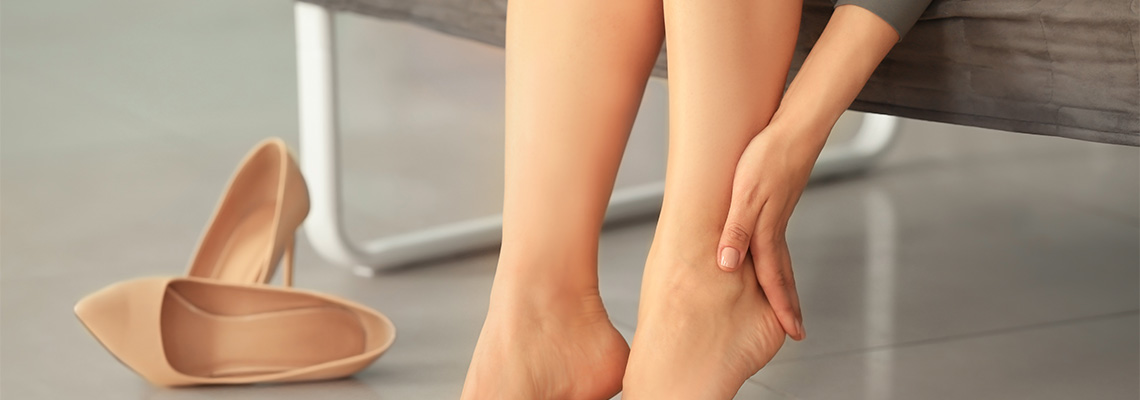
Hospiten is making progress in the treatment of disorders of the vessels of the circulatory and lymphatic system, such as varicose veins and other venous pathologies, using various minimally invasive techniques for their treatment without the need for surgery. Dr. José Andrés Hernández Campo, cardiovascular surgeon at Hospiten Rambla University Hospital, points out that "the treatment of these pathologies related to the blood vessels requires specialized attention because they are not only directly related to cardiovascular diseases and other health complications, but also have a great impact on the esthetic aspect".
Nowadays, advances in vascular treatments for aesthetic and pathological varicose veins allow them to be treated in a less invasive manner and, moreover, they can be performed during the summer months, when aesthetic concerns are greater, especially among women. Dr. Hernández Campo states that it is "a common problem that affects 40% of the population, especially women. It appears when the valves do not work properly, which causes the blood to flow in the opposite direction and accumulate in the veins of the lower legs".
In view of this, the specialist explains that "Hospiten offers new and pioneering advances in the treatment of these conditions, including the treatment of varicose veins and other arterial, venous and lymphatic pathologies," he points out.
As for the different techniques for the elimination of varicose veins without surgery, Hospiten performs the glue ablation technique, a treatment with biological adhesive, guided and controlled by ultrasound that allows the sealing of the saphenous vein from its origin. This method is performed under mild sedation, does not require hospitalization, but relative rest for the first 24 hours.
Another of the most recognized techniques for treatment without surgery is the so-called foam sclerotherapy technique, which is a safe and effective method of treatment. The procedure is based on the injection of a microfoam medication through a catheter specifically located under ultrasound, which displaces the blood in the veins.
Radiofrequency varicose vein surgery is another minimally invasive and ambulatory technique that, "by means of the use of thermal energy (radiofrequency), through a catheter that, by thermal effect, will cauterize and seal the affected vein, without the need to remove them," he concludes.
Some of the advantages of this technique over conventional surgery are as follows:
Most patients have immediate symptomatic relief and can return to normal activities within one or two days, with little or no pain.
It is ambulatory
There is no scarring.
The incorporation to daily life and work is faster.
It prevents some of the complications associated with conventional surgery.
This article is an English translation generated with AI from the original Spanish content. While we review content for clarity, the information is provided for general informational purposes only and should not be considered medical advice. Always consult a qualified healthcare professional for diagnosis or treatment.