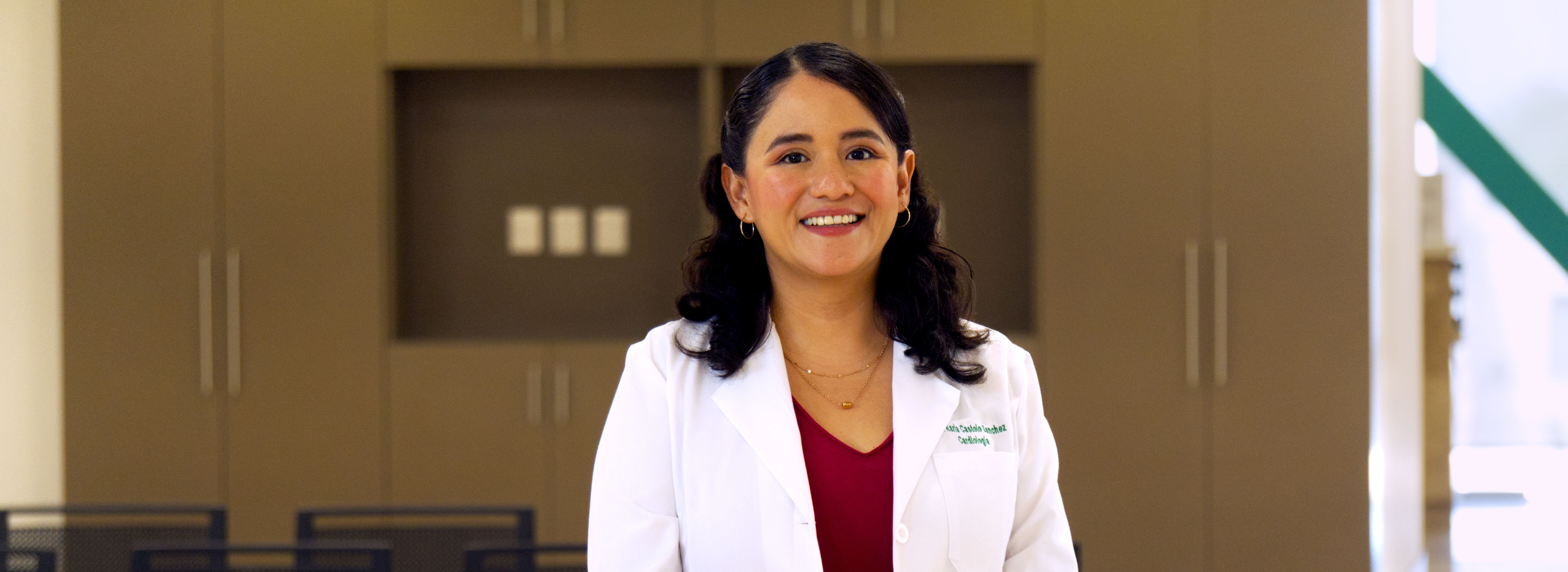
As a cardiologist, I have seen firsthand the impact of cardiovascular disease on the lives of many women. Heart problems are often thought to be exclusive to men, but the reality is that these diseases affect us equally and, in many cases, with more complications for us.
Cardiovascular diseases, which include arterial hypertension, heart attack and stroke, are the leading cause of death in Mexico. Every year, 1 out of every 3 Mexicans loses his or her life due to these conditions. However, the lack of information and the difference in the manifestation of symptoms in women means that they are often not diagnosed in time, increasing the risk of serious complications.
Risk factors: what every woman should know
There are two types of risk factors for cardiovascular disease:
- Non-modifiable factors: those over which we have no control, such as age and family heredity.
- Modifiable factors: Those we can prevent or control, such as diabetes mellitus, obesity, overweight, sedentary lifestyle, alterations in cholesterol levels and smoking.
In addition, we face additional risk factors, such as having suffered from hypertension or diabetes during pregnancy, or having received chemotherapy for cancer. These aspects can significantly increase the risk of developing cardiovascular disease over the course of a lifetime.
Prevention is our best ally
The good news is that we can take steps to protect our heart. Some key habits include:
- Quitting smoking.
- Maintaining a balanced diet low in saturated fats.
- Exercising regularly, adapted to our needs.
Having the advice of a physician is essential to design a prevention plan suitable for each woman.
Early detection can save lives
One of the main problems with high blood pressure is that it does not cause obvious symptoms, which is why it is known as "the silent killer". The only way to detect it is by measuring blood pressure, which is why I recommend:
- Measure your blood pressure at least once a year from the age of 21.
- After the age of 40, do it every six months.
In the case of heart attack, the most common symptoms include oppressive chest pain and shortness of breath. However, in women they are usually more subtle and easily confused with other diseases, which delays diagnosis and treatment.
On the other hand, cerebral infarction or embolism can manifest itself with difficulty in speaking and loss of strength in arms or legs. In the event of any of these symptoms, it is essential to see a specialist immediately, whether a cardiologist or neurologist.
Taking care of our heart should be a priority
I would like to close by saying that the pillars to take care of your cardiovascular health are:
- Prevention: Adopting a healthy diet and a regular exercise program, with the guidance of a health professional.
- Early detection: Perform periodic medical check-ups, which may include electrocardiograms, blood pressure measurement, glucose tests and stress tests. Depending on age and health status, I suggest the following frequency:
- Every 3 years in healthy women under 40 years of age.
- Every year in women over 40 or with risk factors.
Getting informed and acting in time can make a difference.
Let's take care of our heart, because we want to be healthy and strong.
Dr. Karla Castolo. Cardiologist.
This article is an English translation generated with Al from the original Spanish content. While we review content for clarity, the information is provided for general informational purposes only and should not be considered medical advice. Always consult a qualified healthcare professional for diagnosis or treatment.